


4 Reasons Why Your Lace Closure or Lace Frontal is Balding
Introduction
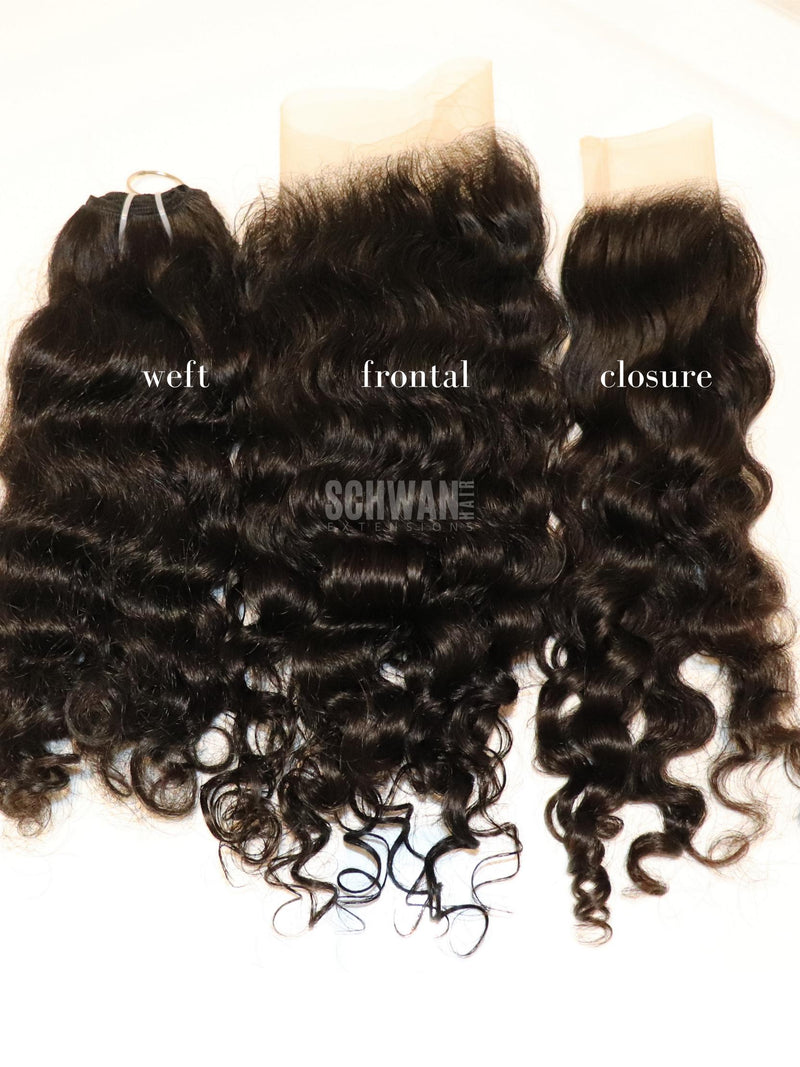
Lace closures and frontals are essential hair pieces for achieving a natural look when wearing a wig, but they can sometimes start balding. Understanding why this happens is key to maintaining their appearance and longevity. In this article, we'll explore four common reasons for balding in lace closures and frontals and offer tips to prevent and address these issues.
Over-plucking:
When your lace units are customised your stylist, or perhaps yourself, pull hair out in bunches to mimic a natural hairline. This means that the integrity of the neighbouring hair strands is obviously weakened because you are essentially pulling hair with and loosening the knots. Note where your lace is balding and take that into consideration.
Bleaching:
The knots get weaker when the lace has been bleached. Bleach causes brittle hair and when it is being pulled e.g. brushing, combing, styling etc. you’ll notice the hair starts shedding more because it is actually breaking where the hair was bleached. If the balding is not in one specific area and are rather diffuse balding or towards the middle, then this could be due to that.
Products:
Using a lot of products such as gels, oils, creams, hair sprays (especially glue sprays) or leave-in conditioner can cause product build up, which may leave a residue on your lace (sticky glue/gel, setting lotion/foam, makeup etc.). To remove that you have to scrub (with a brush i.e. toothbrush/wash the lace harder for the residue to dissolve. The issue here is that this is counterproductive and can lose the knots more. If the balding is mainly in the front to edges part, then this could be the reason.
Brushing:
Brushing with the wrong tools is one, but brushing while hair is wet can cause balding, which means when you are brushing wet hair you’ll notice a lot more resistance than brushing wet bundles. This is due to the way raw hair laces are made (They are handmade and individually knotted). The additional force tugging while hair is wet will make the knots loosen.
Conclusion
Though Closures and Frontals are meant to be switched out every so often, balding may be inevitable but can be frustrating. Understanding the underlying causes can help you prevent and address these issues. By being mindful of above factors, you can take better care of your lace units and extend their lifespan. Opt for gentle handling, avoid excessive product use, and use appropriate tools to maintain the integrity of your lace closures and frontals, ensuring they remain natural-looking and beautiful for longer.